How to Choose a Concrete Contractor in Thousand Oaks: 7 Questions to Ask

September 18, 2026
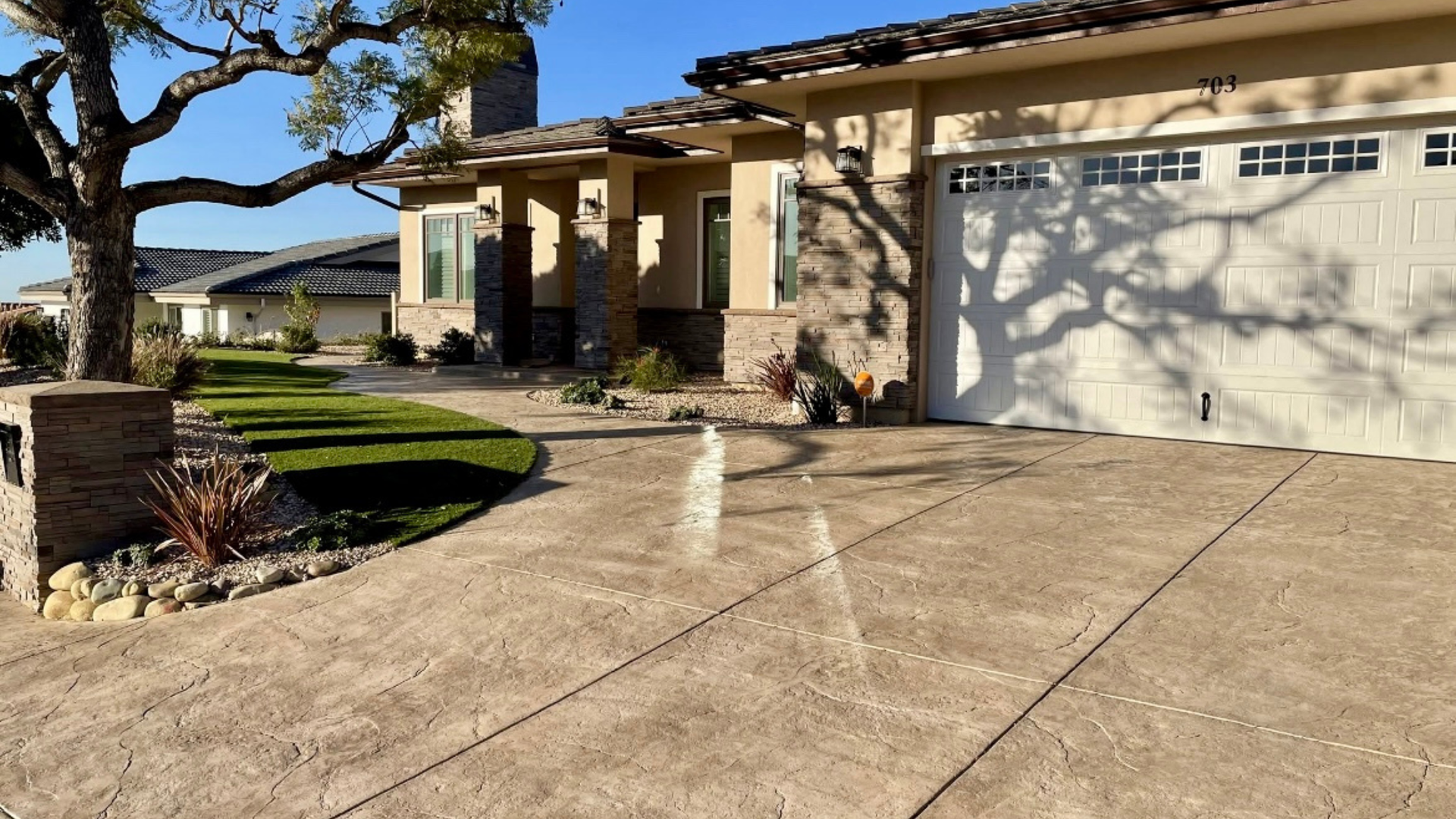
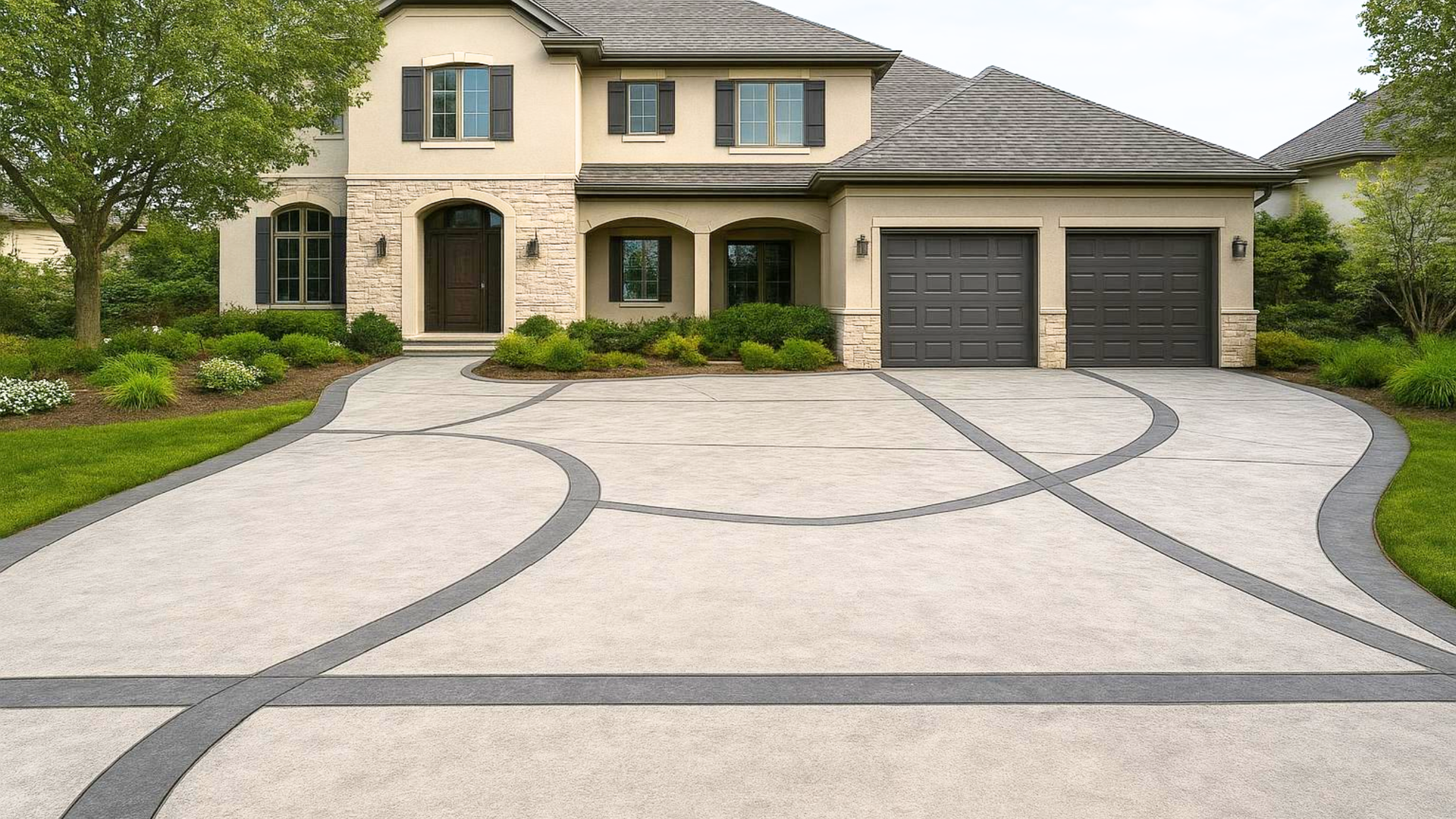
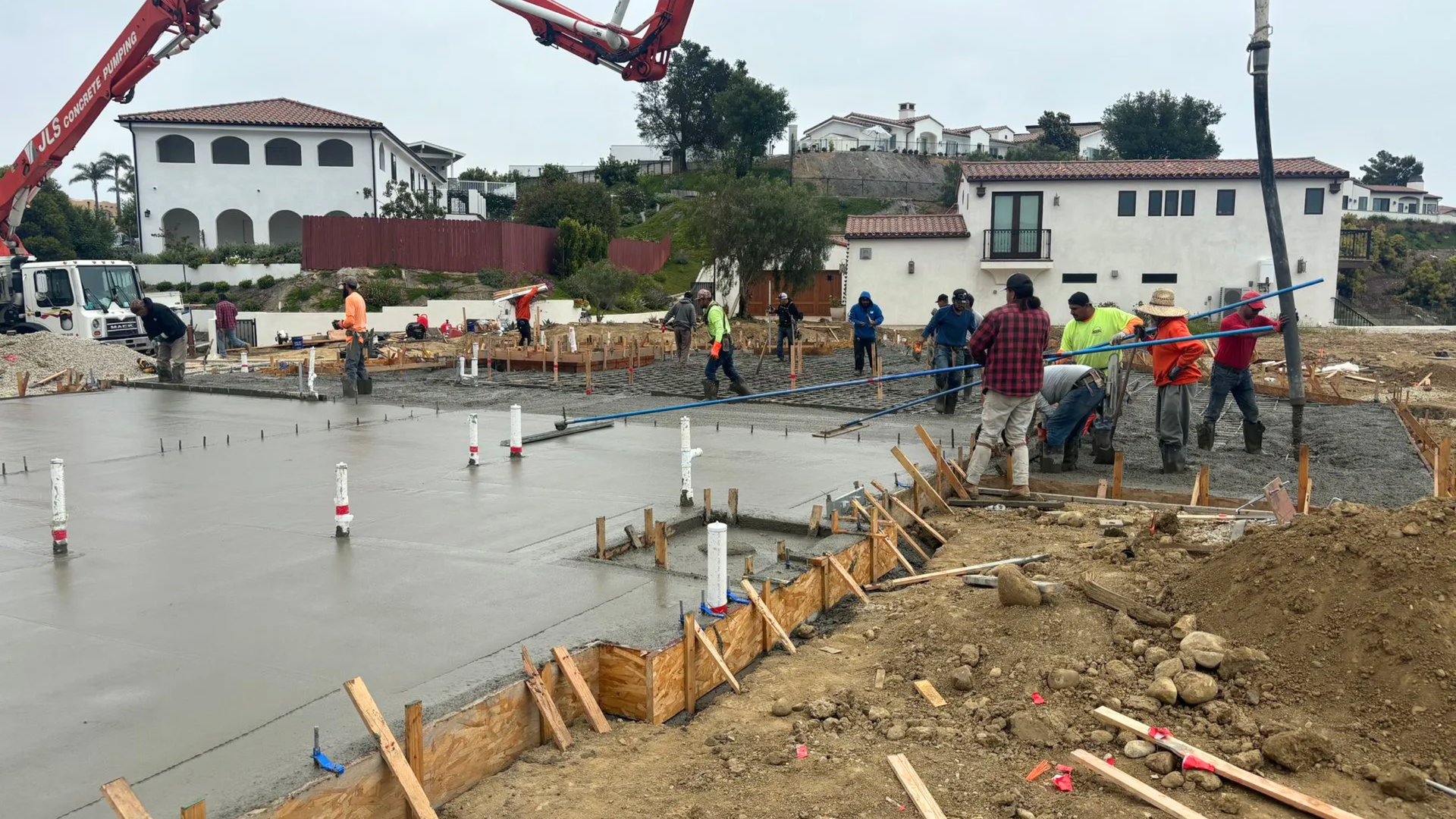
Finished concrete driveway from a Thousand Oaks contractor's project portfolio

Hiring the right concrete contractor is the difference between a driveway or patio that lasts for decades and one that cracks, settles, or fails within a few years. Concrete is unforgiving work: once it is poured, mistakes are expensive to fix and often impossible to hide. If you are searching for a concrete contractor near me in Thousand Oaks, CA, the smartest thing you can do before signing anything is ask the right questions. This guide gives you seven of them, along with the answers a trustworthy contractor should be able to give without hesitation.


The goal is not to turn you into an expert. It is to give you a simple, reliable way to separate professionals who do durable, code-compliant work from operators who cut corners. Each question below targets a specific risk, and together they cover licensing, experience, quality, and accountability.


Why Choosing the Right Concrete Contractor Matters


Concrete is a long-term investment, and the contractor you hire has more effect on the outcome than the concrete itself. Here is why the choice matters so much:


  • The results are permanent. Once concrete is poured, mistakes are expensive to fix and often impossible to hide, so the quality of the install is locked in on day one.
  • Most of the work is hidden. Soil preparation, reinforcement, mix quality, joint placement, and curing all happen before or during the pour where you cannot see them, yet they decide whether the surface holds up.
  • Same price, different result. Two contractors can quote a similar number and deliver very different concrete, because durability comes from method, not just materials.
  • Problems surface later, not on pour day. A rushed subgrade or a skipped step often shows up a year or two later as cracking or settling, long after the crew has left.
  • Bad hires cost twice. Redoing failed concrete means paying for demolition and a second install, which is why vetting upfront is the cheapest insurance you have.


If you want to understand the technical side of what causes these failures, our guide to why concrete cracks in California explains the common causes and how good work prevents them.

7 Questions to Ask Before You Hire


Here are the seven questions that reveal the most about a concrete contractor, and what strong answers sound like.


1. Are You Licensed and Insured?


This is the first and most important question. In California, concrete work is performed under the C-8 concrete contractor classification issued by the Contractors State License Board, or CSLB. A licensed contractor has passed the required trade and business exams and posted the state contractor bond, which currently stands at 25,000 dollars. A license is generally required for any project valued at 1,000 dollars or more.


You do not have to take a contractor's word for it. Visit cslb.ca.gov, use the License Check tool, and enter the contractor's license number or business name. In a few minutes you can confirm the license is active, holds the C-8 classification, carries the required bond, and has workers' compensation coverage. The same lookup reveals any complaint or disciplinary history. For concrete specifically, workers' compensation is not optional: C-8 contractors in California must carry it regardless of whether they have employees, which protects you if someone is injured on your property. If a contractor is vague about their license number or discourages you from checking, treat that as a warning sign.


2. How Long Have You Worked in the Thousand Oaks Area?


Experience matters, and local experience matters even more. A contractor who has worked in Thousand Oaks, Ventura County, and the surrounding communities for years understands the local conditions that affect concrete here, from expansive clay soils to hot inland summers and the region's permit process. That knowledge shapes how they prepare a site and schedule a pour.


Ask how long they have been in business and how much of their work is in your area. A long, local track record is not just a credential; it is evidence they have poured in your soil, dealt with your city's requirements, and stood behind work through the seasons that test it.


3. Can I See Local Projects and References?


A reputable contractor should be glad to show you completed projects similar to yours and to connect you with recent customers. Photos of finished driveways, patios, and slabs tell you about their finish quality, and references tell you about their reliability, communication, and cleanup. Ask specifically for local projects, since work done in your area is the most relevant to your conditions.


When you speak with references, ask whether the project finished on schedule, whether the final cost matched the estimate, and whether any issues were handled well. Consistent, positive answers are a strong signal. If a contractor cannot produce a single local reference or portfolio example, keep looking.


4. What Warranty Do You Offer?


A warranty tells you how much confidence a contractor has in their own work. Ask what is covered, for how long, and what would void it. A workmanship warranty covering installation defects for a defined period shows the contractor stands behind the pour rather than walking away once the check clears.


Be sure to understand the difference between a workmanship warranty, which covers how the work was done, and normal cosmetic cracking, since some hairline cracking in concrete is expected over time. A contractor who explains this honestly, rather than promising crack-free concrete forever, is being straight with you.


5. How Will You Prepare the Site and Subgrade?


This question separates contractors who understand concrete from those who just pour it. The subgrade, the compacted ground beneath the slab, is where durability is won or lost, especially on the expansive clay common in this region. A strong answer covers excavating and compacting the base, adding a proper crushed aggregate layer, and placing reinforcement suited to the load.


You are listening for specifics here. A contractor who talks concretely about compaction, base material, reinforcement, and control joints is describing the steps that prevent settlement and cracking. Vague reassurance is not the same as a real preparation plan. Our guide to foundations and concrete slabs shows what solid structural preparation looks like.


6. Will I Get a Detailed Written Estimate and Contract?


Never rely on a handshake or a one-line quote. California requires a written contract for home improvement projects over 500 dollars, and a detailed contract protects both sides. It should spell out the scope of work, materials, project timeline, total price, payment schedule, and who is responsible for pulling any required permits.


On payment, be cautious of anyone demanding a large share of the total upfront. A reasonable deposit covers initial materials and scheduling, with the balance tied to progress and a final payment once the work is complete and satisfactory. If your project needs city approval, a good contractor handles it; our guide to do you need a permit for concrete work in Thousand Oaks explains when that applies.


7. Who Actually Does the Work?


Some companies subcontract their pours to crews you never meet, which can mean inconsistent quality and unclear accountability. Ask whether the contractor uses their own in-house crew or outsources the labor. An in-house team that the company trains and supervises tends to deliver more consistent results and clearer responsibility if anything needs to be addressed.


This also affects communication. When the people pouring your concrete work directly for the company you hired, questions and adjustments are easier to handle, and there is no finger-pointing between the contractor and an outside crew.

LOOKING FOR A CONCRETE CONTRACTOR IN THOUSAND OAKS?

Red Flags to Watch For


The seven questions above will surface most problems, but a few warning signs deserve their own mention. Watch for any of the following as you talk with contractors:


  • Reluctance to provide a license number, or discouraging you from verifying it.
  • A demand for a large cash deposit upfront, or a request to pay entirely in cash.
  • No written contract, or only a vague one-line estimate.
  • A bid that comes in dramatically lower than every other quote, which often signals shortcuts.
  • High-pressure sales tactics or a deal that expires if you do not sign immediately.
  • No local references or portfolio, or evasive answers about past work.


None of these guarantees a bad outcome on its own, but any of them is a reason to slow down and ask more questions before committing.

How Stoneworks Construction Services Measures Up


The reason we built this list is that we welcome these questions. Stoneworks Construction Services is a licensed and insured concrete contractor with more than 36 years of experience serving Thousand Oaks, Ventura County, and Santa Barbara County. We use our own in-house crews rather than outsourcing, back our work with a workmanship warranty, and provide detailed written estimates so you know exactly what to expect before we begin.


We have completed thousands of residential and commercial projects across the region, from driveways and patios to foundations and retaining walls, and we are glad to share local examples relevant to your project. Whether you are planning a concrete driveway installation or a new concrete patios project, we approach every job with the preparation and accountability this guide describes.

Frequently Asked Questions

  • How do I check if a concrete contractor is licensed in California?

    Use the Check a License tool on the state licensing board's website, cslb.ca.gov. Enter the contractor's license number or business name to confirm the license is active, holds the C-8 concrete classification, and carries the required bond and workers' compensation. The same lookup shows any complaint or disciplinary history. It takes only a few minutes and is the single most useful step before hiring.

  • What license does a concrete contractor need in California?

    Concrete work in California falls under the C-8 concrete contractor classification issued by the state licensing board. A licensed contractor has passed the required exams and posted the state contractor bond. A license is generally required for any project valued at 1,000 dollars or more, and the license number should appear on contracts, advertising, and vehicles.

  • Should a concrete contractor carry workers' compensation insurance?

    Yes. In California, C-8 concrete contractors are required to carry workers' compensation insurance regardless of whether they have employees. This protects you from liability if a worker is injured on your property. You can confirm a contractor's coverage through the state license lookup or by asking for a current certificate in the exact licensed business name.

  • How much deposit should I pay a concrete contractor upfront?

    Be cautious of any contractor asking for a large share of the total upfront. A reasonable deposit covers initial materials and scheduling, with the balance tied to progress and a final payment after the work passes inspection and meets your satisfaction. A detailed written contract should spell out the payment schedule so there are no surprises.

  • What questions should I ask before hiring a concrete contractor?

    Ask whether they are licensed and insured, how long they have worked in your area, whether you can see local projects and references, what warranty they offer, how they prepare the subgrade, whether the work comes with a detailed written contract, and who actually performs the work. Clear, confident answers to these questions separate a dependable contractor from a risky one.

Conclusion: Ask First, Pour Later

Choosing a concrete contractor does not have to be a gamble. The seven questions in this guide, covering licensing, local experience, references, warranty, site preparation, written contracts, and who does the work, give you a clear, practical way to judge any contractor before you commit. A professional will answer them readily and back the answers up. Anyone who dodges them is telling you something too.


If you are looking for a concrete contractor in Thousand Oaks who welcomes every one of these questions, Stoneworks Construction Services is ready to help. We serve Thousand Oaks, Ventura County, and Santa Barbara County with licensed, insured, warrantied concrete work built to last. Reach out to request a free estimate and start your project with a team you can trust.
REQUEST A FREE ESTIMATE CALL US NOW
Homeowner and contractor reviewing a written concrete warranty in Thousand Oaks
October 2, 2026
Hiring a concrete contractor in Thousand Oaks? Learn what a concrete warranty should cover in California, common exclusions, and your rights before you sign.
Cracked concrete driveway surface at a Southern California home
August 27, 2026
Why does concrete crack in California? Expansive clay soil, heat, and drying shrinkage all play a role. Learn the real causes and how to prevent cracking.
New concrete driveway under construction at a Thousand Oaks home
August 12, 2026
Do you need a permit for concrete work in Thousand Oaks, CA? Learn which projects need city approval, which are exempt, and how the local process works.
Freshly finished concrete driveway curing outside a Southern California home
July 31, 2026
How long does concrete take to cure? Learn when you can walk on, drive on, and fully use new concrete, plus what speeds up and slows down the process.
Concrete crew pouring a residential driveway on a mild California morning
July 9, 2026
Wondering the best time to pour concrete in California? Learn how heat, rain, and inland valley temps affect your pour, plus ideal months to schedule.
Concrete driveway replacement completed for residential home in Thousand Oaks
June 8, 2026
Concrete driveway replacement in Thousand Oaks, including costs, signs of damage, finish options, and what homeowners should know before starting.
Decorative concrete driveway with curved border design in front of Southern California home
May 12, 2026
Concrete driveway costs in Southern California explained, including replacement pricing, stamped concrete options, and installation factors.
Concrete retaining wall supporting elevated yard with wooden privacy fence on top
April 23, 2026
Not sure if you need a block wall or retaining wall? Understand the differences, costs, and best use for your property before building.
Concrete walkway leading to residential home entrance in Southern California
March 30, 2026
Concrete walkway costs, design options, and installation factors for homes in Southern California. What to consider before building a walkway.
A construction crew pours concrete for a building foundation with a boom pump truck on a sunny day.
March 13, 2026
Concrete foundation costs, slab types, and installation considerations for homes in Southern California. A practical guide for planning foundation projects.
More Posts