What a Concrete Warranty Should Cover (and Why It Matters in California)

October 2, 2026
Written concrete workmanship warranty attached to a signed contract

A concrete contractor warranty is one of the most overlooked parts of any project in Thousand Oaks, California. Homeowners compare price and finish, then skim past the guarantee until something goes wrong. By then the terms are locked in. Knowing what the warranty covers, and what it quietly leaves out, protects both your property and your budget.


Coverage matters even more here than in many parts of the country. The expansive clay soils across Ventura County swell and shrink with the seasons, and hot inland days followed by cool nights push concrete through constant movement. Those local conditions test a slab over time. A warranty is your recourse if that stress reveals a problem the contractor should have prevented.


This guide keeps it practical. It covers the coverage that matters, the exclusions to expect, and the separate rights you hold under state law. You will also see how to read the fine print before any money changes hands. Read it before you sign, not after a crack appears.
Why a Concrete Warranty Matters


Concrete is a long-term investment, and its performance shows up over years. A warranty is the contractor's written promise to stand behind the work if their installation fails within a set period. It signals real confidence, and it gives you a clear path to a fix.


The catch is that coverage varies widely. Some contractors offer a strong written guarantee. Others offer a vague verbal promise that fades the moment you call. That difference only becomes obvious when you need it, which is why the details deserve attention upfront.

The Two Layers of Protection You Actually Have


Most homeowners picture a single warranty. You actually have two separate layers of protection, and they work on different timelines. Knowing both helps you judge an offer and understand your options if a problem appears.


The Contractor's Written Warranty


This is the guarantee the contractor provides directly, and it is the one you negotiate. Look for these features before you sign:


  • A defined coverage period for workmanship, commonly one to five years.
  • A clear trigger for a claim, such as installation defects or premature failure.
  • A stated remedy naming who pays for and performs the repair.
  • Whether the coverage transfers to a new owner if you sell.


Materials often carry their own separate coverage. Sealers and decorative coatings usually come with a manufacturer warranty, which is distinct from the workmanship guarantee. A good contract spells out which party stands behind which part.


Your Rights Under California Law


Beyond any contract, state law gives you baseline protection that a warranty cannot take away. These rights run on their own clock:


  • Visible (patent) defects generally carry up to a four-year window to act.
  • Hidden (latent) defects can carry up to a ten-year window from substantial completion.
  • A written contract is required for home improvement work over 500 dollars.


These periods apply even when a contractor's written coverage is shorter. Homeowners can review California's construction warranty law directly to see the statutory framework.

WANT CONCRETE BACKED BY A REAL WARRANTY? START HERE

What a Strong Warranty Should Include


A guarantee worth having is specific. It names real failure modes instead of making broad promises. Strong workmanship coverage usually addresses:


  • Structural failure of the slab caused by faulty installation.
  • Major cracking beyond normal hairline shrinkage, tied to how the work was done.
  • Settlement or heaving traced to poor subgrade preparation.
  • Surface defects like scaling or spalling within the coverage period.
  • A clearly written repair remedy, so no one argues over who fixes it.


The best guarantees put the timeline and the claim process in writing. That clarity separates coverage you can rely on from a promise that only sounds reassuring.

What a Warranty Usually Will Not Cover


Every honest warranty has exclusions. Understanding them upfront prevents false expectations, since a contractor is not responsible for damage they did not cause. Common exclusions include:


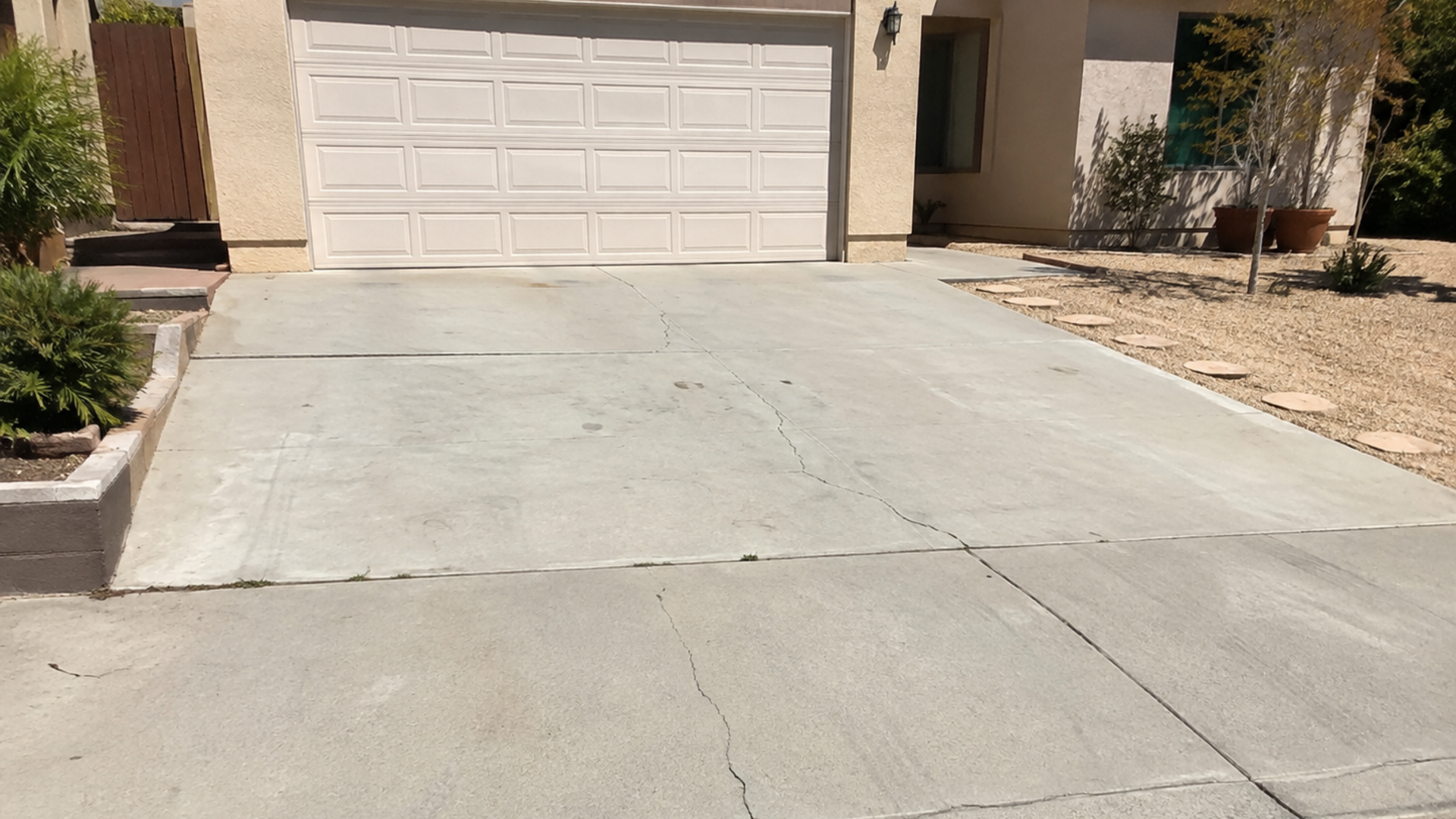
  • Fine hairline cracks, which are normal and often follow control joints.
  • Damage from misuse, like heavy trucks on a driveway rated for cars.
  • Cracking from earthquakes, floods, or other extreme events.
  • Movement from tree roots or soil shifts outside the contractor's control.
  • Cosmetic wear, staining, or skipped maintenance like resealing.


A contractor who explains these limits plainly is being straight with you. Some cracking is simply expected, and our guide to why concrete cracks in California covers the causes in plain terms.

How to Read the Warranty Before You Sign


The time to evaluate coverage is before the pour, while you still have leverage. Work through these checks with any contractor you consider:


  1. Confirm the full warranty is written and attached to the signed contract.
  2. Note the exact coverage period and the date it starts from.
  3. Read the exclusions closely, and question anything vague.
  4. Ask whether the coverage transfers if you sell the home.
  5. Verify the contractor's license and record with the California Contractors State License Board.


A trustworthy contractor walks you through each point without hesitation. Checking the warranty is part of checking the contractor, which our guide on how to choose a concrete contractor in Thousand Oaks covers in full.

Frequently Asked Questions

  • Is a verbal concrete warranty valid in California?

    A verbal promise is hard to enforce and easy to dispute. California requires a written contract for home improvement work over 500 dollars, and your warranty should live inside that agreement. Get the coverage, length, and exclusions in writing so the terms hold up later.

  • How long can I take action over defective concrete in California?

    State law gives you up to four years to act on visible defects and up to ten years on hidden ones, counted from substantial completion of the work. These rights are separate from a contractor's written warranty. A contract cannot sign them away, even if its own coverage period is shorter.

  • Is a concrete warranty transferable if I sell my home?

    It depends on the contractor. Some workmanship guarantees transfer to a new owner within the coverage period, which can help at resale. Others apply only to the original customer, so ask before you sign if that matters to you.

  • What should I do if a problem shows up in my concrete?

    Take dated photos and note when you first saw the issue. Tell your contractor in writing right away, since prompt notice protects your claim and lets them inspect and repair. Keep your contract, warranty, and messages together in one place.

Conclusion: Get the Guarantee in Writing


A solid concrete warranty gives you real, written protection: a clear coverage period, a defined remedy, honest exclusions, and a licensed contractor behind it. Paired with your rights under California law, that turns a major investment into a protected one. The homeowners who avoid trouble are the ones who read the terms first.


Stoneworks Construction Services serves Thousand Oaks, Ventura County, and Santa Barbara County, and we put our workmanship guarantee in writing. From new concrete driveway installation services to larger projects, we welcome your questions before the first pour. Reach out to request a free estimate and start with terms you can trust.

REQUEST A FREE ESTIMATE CALL US NOW
Homeowner reviewing a project estimate with a concrete contractor in Thousand Oaks
September 18, 2026
Hiring a concrete contractor in Thousand Oaks? Ask these 7 questions about licensing, experience, and warranties to protect your project and your budget.
Cracked concrete driveway surface at a Southern California home
August 27, 2026
Why does concrete crack in California? Expansive clay soil, heat, and drying shrinkage all play a role. Learn the real causes and how to prevent cracking.
New concrete driveway under construction at a Thousand Oaks home
August 12, 2026
Do you need a permit for concrete work in Thousand Oaks, CA? Learn which projects need city approval, which are exempt, and how the local process works.
Freshly finished concrete driveway curing outside a Southern California home
July 31, 2026
How long does concrete take to cure? Learn when you can walk on, drive on, and fully use new concrete, plus what speeds up and slows down the process.
Concrete crew pouring a residential driveway on a mild California morning
July 9, 2026
Wondering the best time to pour concrete in California? Learn how heat, rain, and inland valley temps affect your pour, plus ideal months to schedule.
Concrete driveway replacement completed for residential home in Thousand Oaks
June 8, 2026
Concrete driveway replacement in Thousand Oaks, including costs, signs of damage, finish options, and what homeowners should know before starting.
Decorative concrete driveway with curved border design in front of Southern California home
May 12, 2026
Concrete driveway costs in Southern California explained, including replacement pricing, stamped concrete options, and installation factors.
Concrete retaining wall supporting elevated yard with wooden privacy fence on top
April 23, 2026
Not sure if you need a block wall or retaining wall? Understand the differences, costs, and best use for your property before building.
Concrete walkway leading to residential home entrance in Southern California
March 30, 2026
Concrete walkway costs, design options, and installation factors for homes in Southern California. What to consider before building a walkway.
A construction crew pours concrete for a building foundation with a boom pump truck on a sunny day.
March 13, 2026
Concrete foundation costs, slab types, and installation considerations for homes in Southern California. A practical guide for planning foundation projects.
More Posts