Concrete Walkways in Southern California: Cost, Design Options, and What Homeowners Should Know
Concrete walkways are one of the most practical upgrades you can make to a residential property. They improve accessibility, guide movement through outdoor spaces, and help tie together landscaping, patios, and entry points.
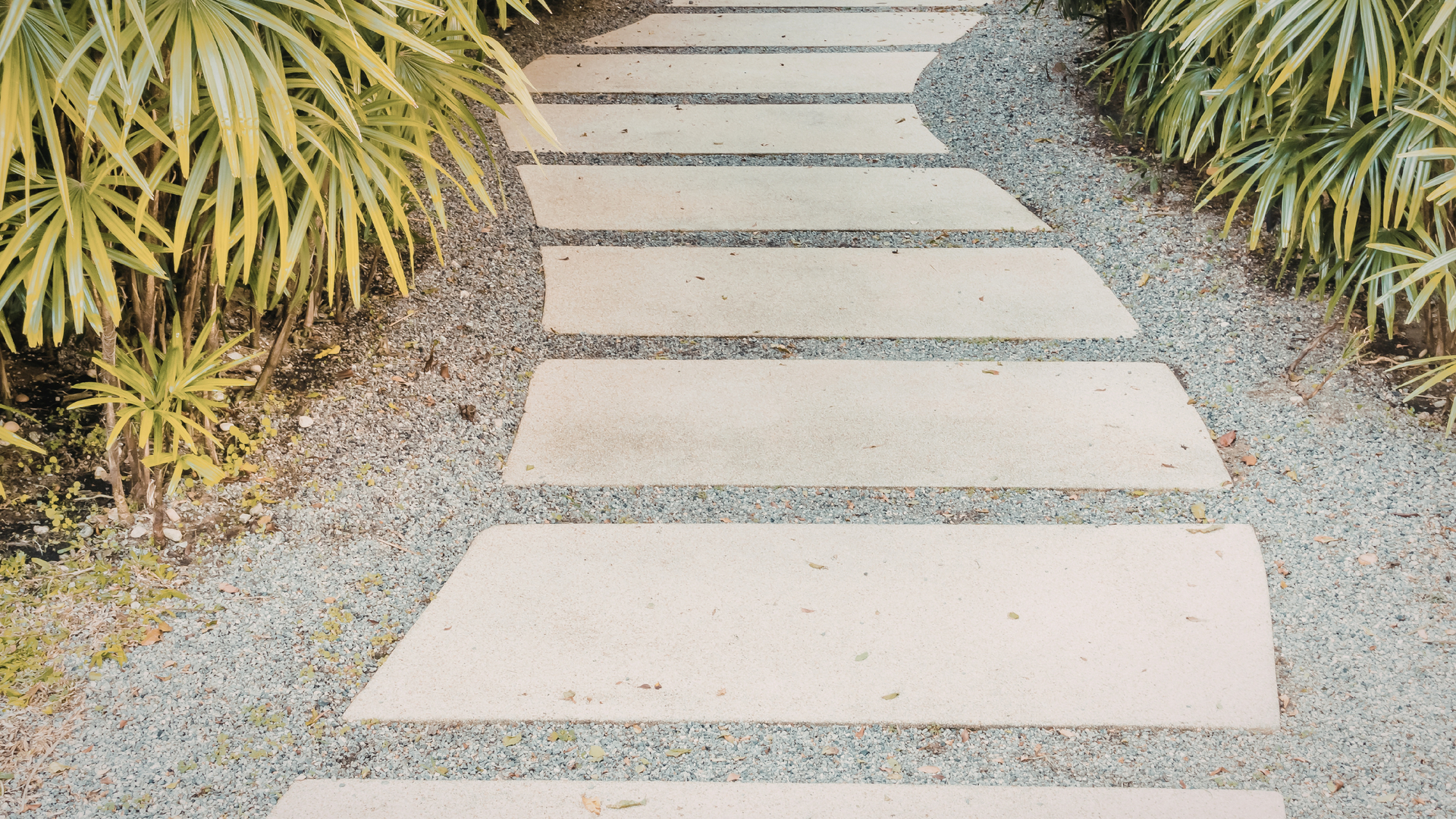
In Southern California, walkways must handle sun exposure, foot traffic, and shifting soil conditions. When installed correctly, they provide a stable, long-lasting surface that requires minimal maintenance.
This guide explains the most important things homeowners should know before installing a concrete walkway. It covers design options, costs, durability, installation factors, and how walkways fit into a complete outdoor layout.
If you are planning multiple exterior improvements, our guide to Residential Concrete Services in Southern California explains how walkways connect with patios, driveways, retaining walls, and other concrete features.
Why Concrete Walkways Are a Practical Choice
Concrete is one of the most widely used materials for walkways because it offers a strong balance of durability, cost, and design flexibility.
Homeowners choose concrete walkways because they:
- Provide a smooth and stable walking surface
- Require less maintenance than pavers or gravel
- Can be customized with different finishes
- Hold up well in warm climates
- Work with both modern and traditional home designs
Concrete also allows for continuous surfaces, which reduces shifting and uneven sections over time.
Common Concrete Walkway Design Options
Concrete walkways can be simple or decorative depending on how they are finished.
Standard Broom Finish
A broom finish is the most common walkway surface. It provides light texture for traction and a clean, consistent appearance.
This option works well for:
- Front entry walkways
- Side yard paths
- Utility walkways
It is also the most cost-effective finish.
Stamped Concrete Walkways
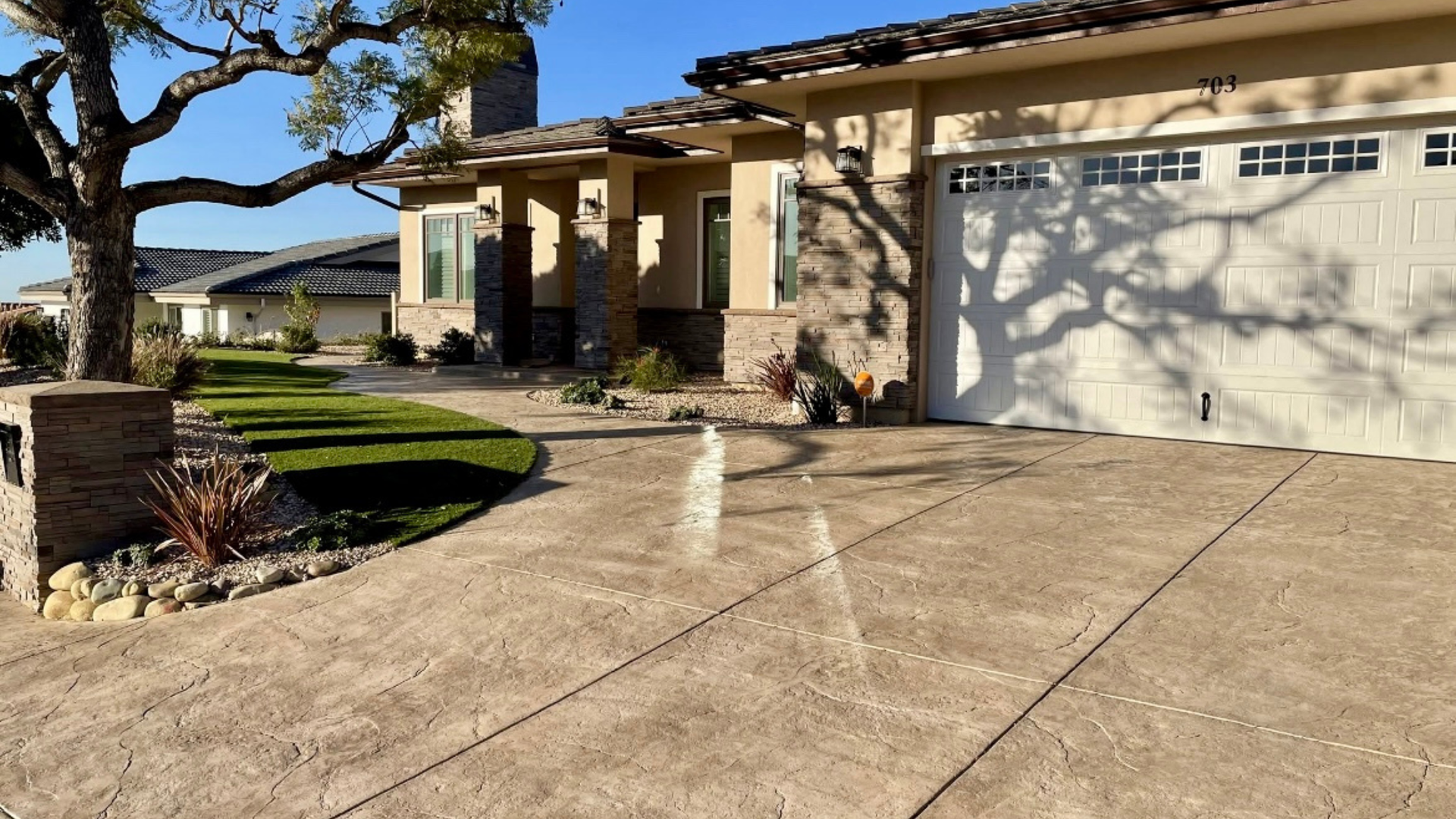
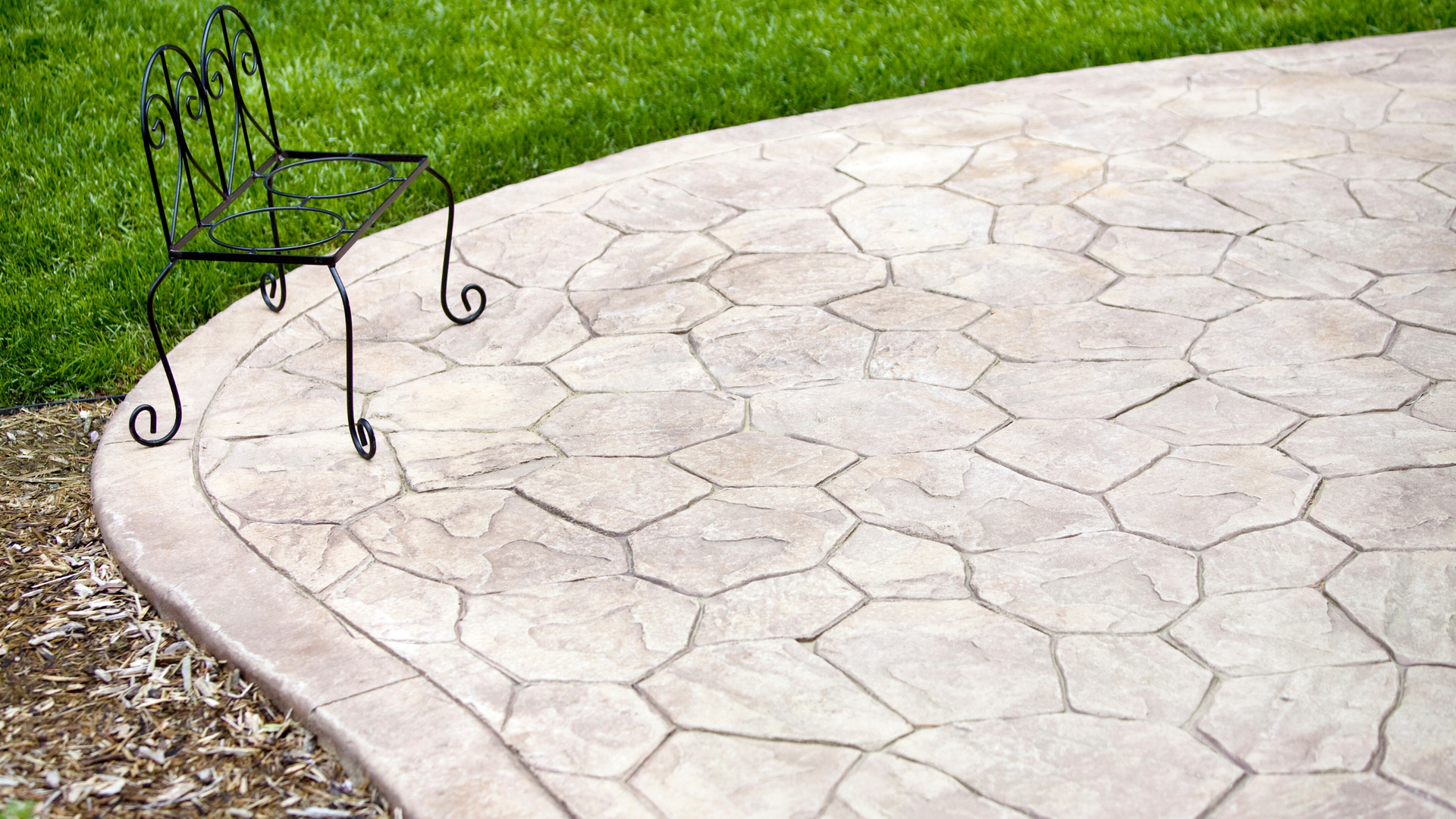
Stamped concrete adds texture and pattern to the surface, allowing the walkway to mimic stone, brick, or tile.
This option is often used when:
- The walkway connects to a decorative patio
- The homeowner wants a more detailed look
- The design needs to match landscaping elements
For more details on decorative surfaces, our guide to Stamped Concrete in Southern California explains pattern options and performance considerations.
Colored and Stained Walkways
Color can be added to concrete to match landscaping, exterior finishes, or other concrete surfaces.
Popular options include:
- Earth tones
- Gray variations
- Custom color blends
Color is often combined with stamped or textured finishes for a more cohesive design.
Curved and Custom Layout Walkways
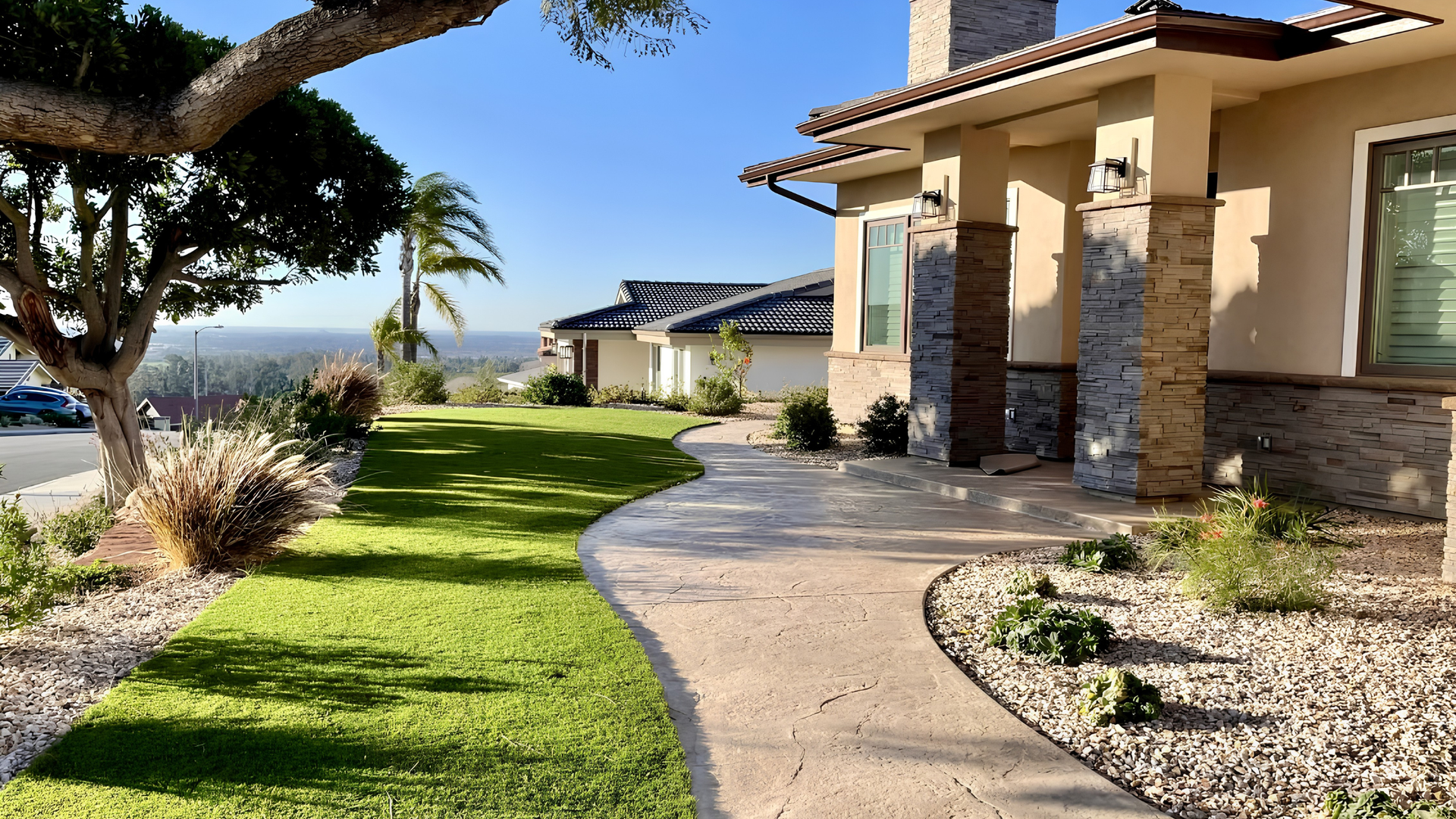
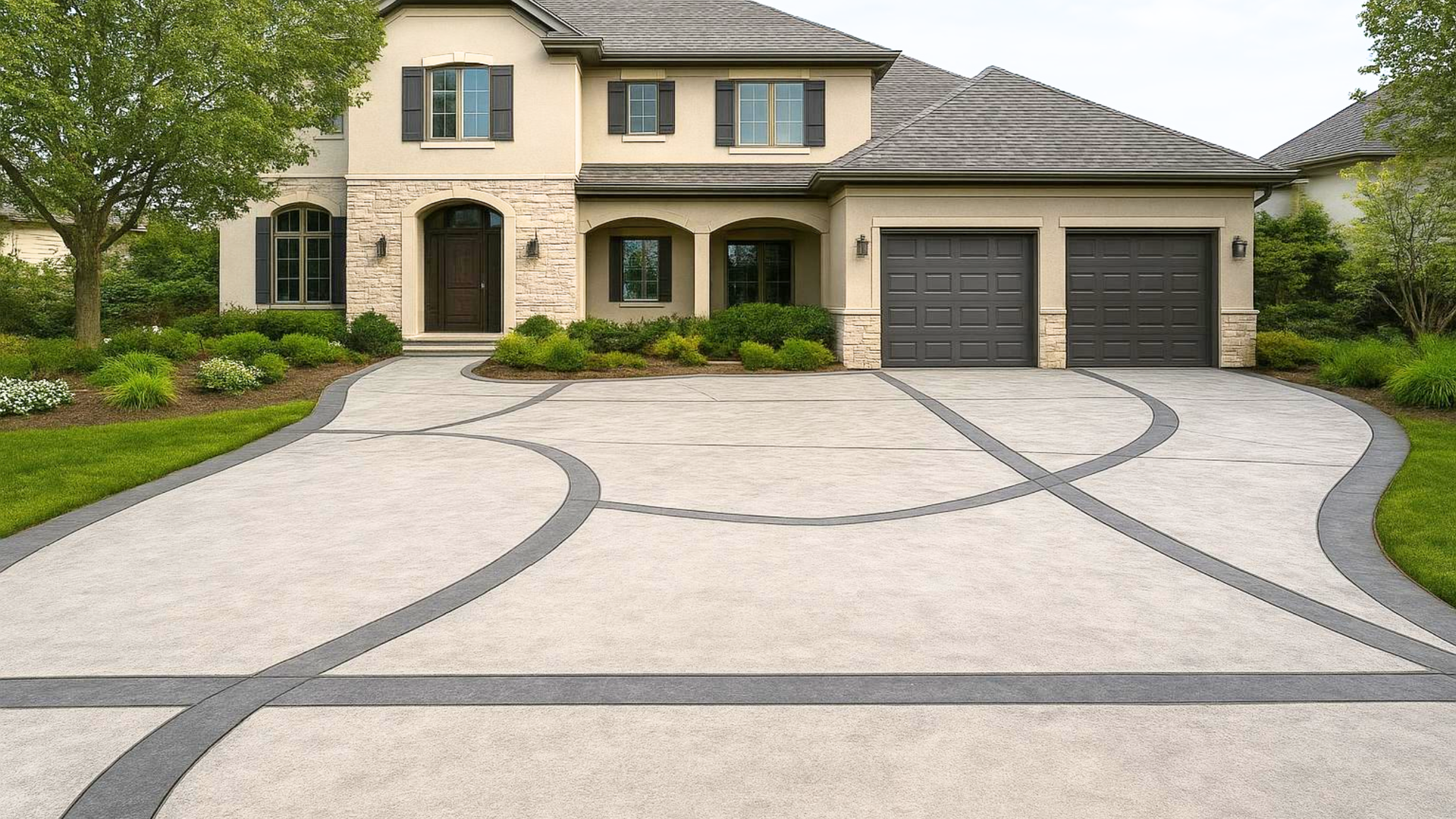
Concrete can be shaped into curved or flowing designs rather than straight paths.
Curved walkways are often used to:
- Follow natural landscaping
- Create softer transitions between spaces
- Improve overall visual layout
Custom layouts allow homeowners to design walkways that fit their property rather than forcing straight lines into uneven spaces.
Concrete Walkway Cost in Southern California
Walkway pricing depends on size, finish, and site conditions.
Typical Concrete Walkway Costs
| Walkway Type | Cost Per Square Foot |
|---|---|
| Standard broom finish | $10 – $16 |
| Colored concrete | $14 – $20 |
| Stamped concrete walkway | $16 – $24 |
| Decorative borders or accents | +$3 – $7 |
Costs may increase based on:
- Excavation requirements
- Soil conditions
- Layout complexity
- Accessibility of the work area
A site visit is the best way to determine accurate pricing.
Walkway Width and Layout Guidelines
Walkway design should consider how the space will be used.
Typical residential walkway widths include:
| Walkway Type | Recommended Width |
|---|---|
| Basic path | 3 feet |
| Primary walkway | 4 feet |
| High-traffic walkway | 4–5 feet |
Wider walkways are more comfortable for daily use and allow two people to walk side by side.
Layout planning should also consider:
- Entry points
- Transitions to patios or driveways
- Landscaping features
- Lighting placement
Proper planning improves both function and appearance.
Concrete Thickness and Reinforcement
Most residential walkways are poured at a thickness of about 4 inches.
However, thickness may increase if:
- The walkway crosses areas with unstable soil
- Heavier loads are expected
- Structural reinforcement is needed
Reinforcement may include:
- Wire mesh
- Steel rebar
These elements help reduce cracking and improve long-term durability.
Site Preparation and Installation Process
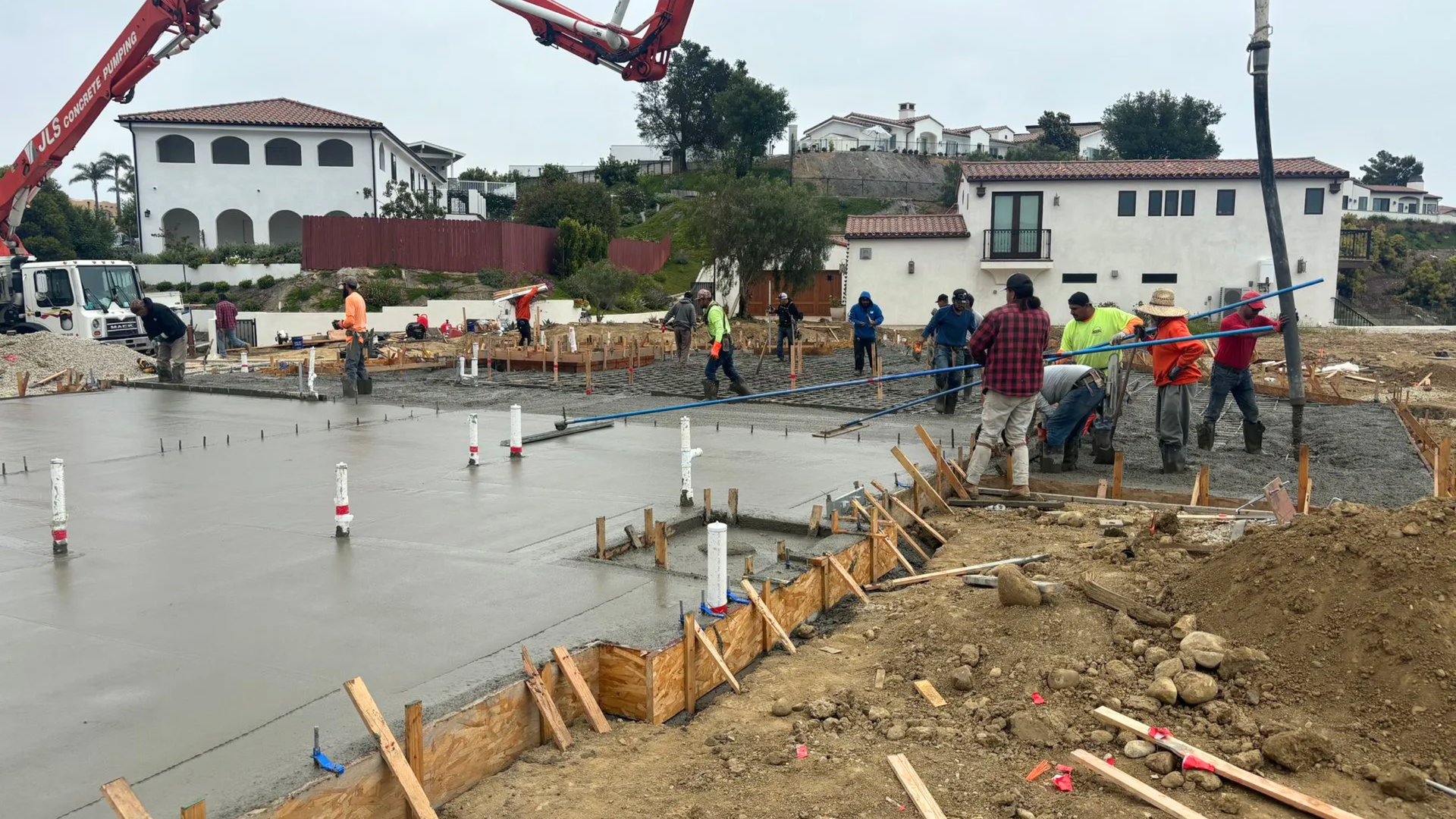
Proper installation begins with site preparation.
Key steps include:
- Excavating the walkway path
- Compacting the soil
- Installing a gravel base
- Setting forms for shape and layout
- Pouring and finishing the concrete
- Allowing time for curing
A compacted base helps prevent settling and keeps the walkway level over time.
Poor preparation is one of the most common reasons walkways become uneven.
Drainage Considerations
Walkways should be installed with proper slope to prevent water from pooling on the surface.
A slight slope directs water away from:
- The home
- Adjacent structures
- Landscaping areas
Without proper drainage, water can weaken the base beneath the walkway and cause movement over time.
How Walkways Connect With Other Concrete Surfaces
Walkways are rarely installed on their own. They usually connect different areas of the property.
For example:
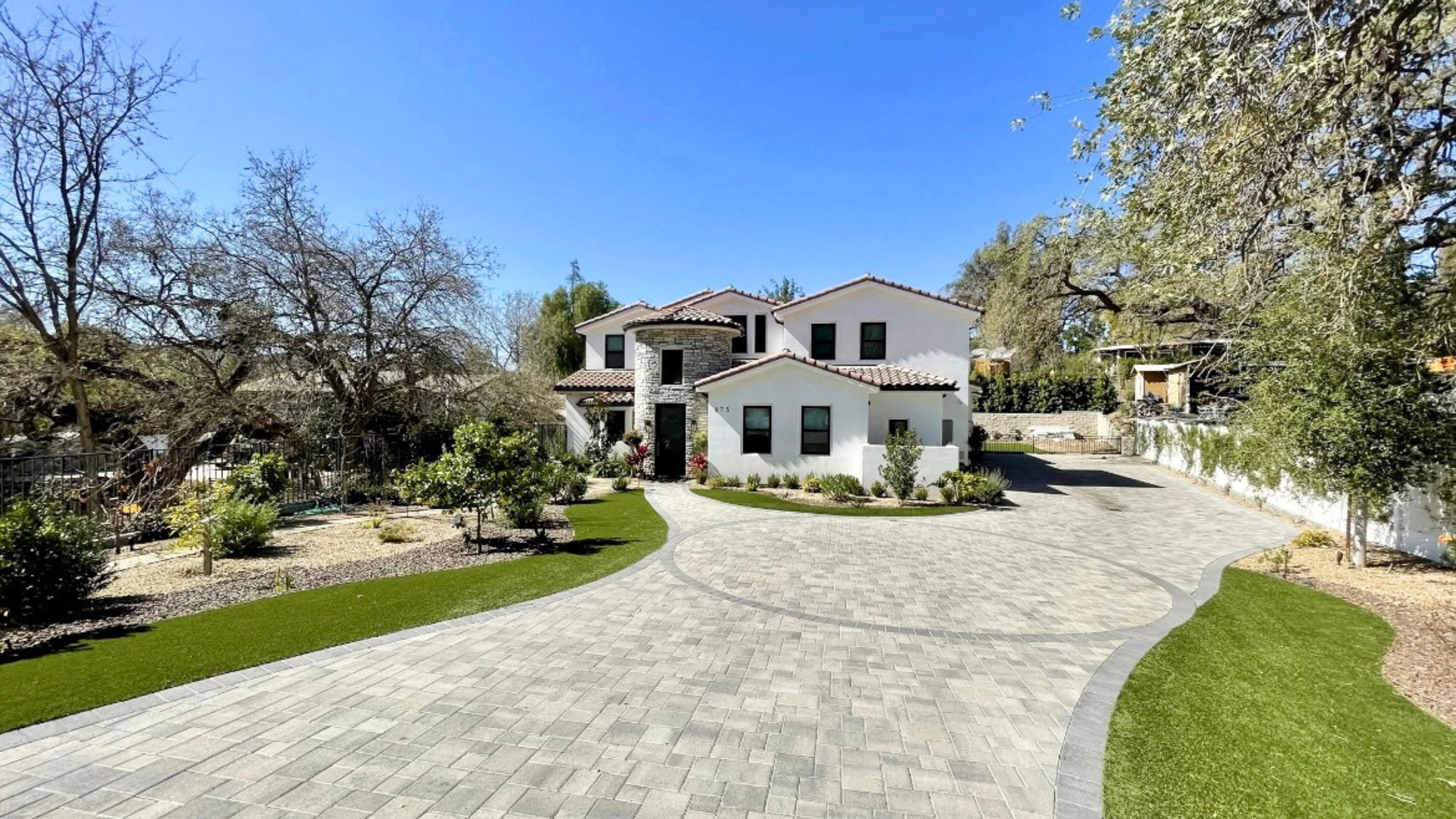
- Walkways often lead from driveways to entryways
- Paths may connect patios to gardens or side yards
- Walkways can tie together multiple outdoor spaces
If your project includes a driveway, our guide to Concrete Driveways in Southern California explains how driveway and walkway surfaces should align for proper drainage and durability.
Planning these surfaces together creates a more functional layout.
Durability and Lifespan of Concrete Walkways
Concrete walkways are designed to last for many years when installed correctly.
Typical Lifespan
| Surface Type | Expected Lifespan |
|---|---|
| Standard concrete walkway | 25+ years |
| Reinforced walkway | 30+ years |
| Decorative concrete walkway | 25–30 years |
Longevity depends on:
- Installation quality
- Base preparation
- Reinforcement
- Drainage
Most walkway issues come from poor preparation rather than the concrete itself.
Maintenance Requirements
Concrete walkways require minimal maintenance compared to other materials.
Basic maintenance includes:
- Cleaning debris from the surface
- Resealing decorative finishes every few years
- Addressing small cracks early
Regular maintenance helps extend the life of the walkway and maintain appearance.
Concrete vs Pavers for Walkways
Homeowners often compare concrete walkways to paver systems.
Concrete Walkways
- Continuous surface
- Lower maintenance
- More cost-effective
- Less movement over time
Paver Walkways
- Individual units
- Higher installation cost
- Require joint maintenance
- Can shift or settle
Concrete is often chosen for its simplicity and long-term stability.
Signs a Walkway May Need Replacement
Walkways may need repair or replacement if:
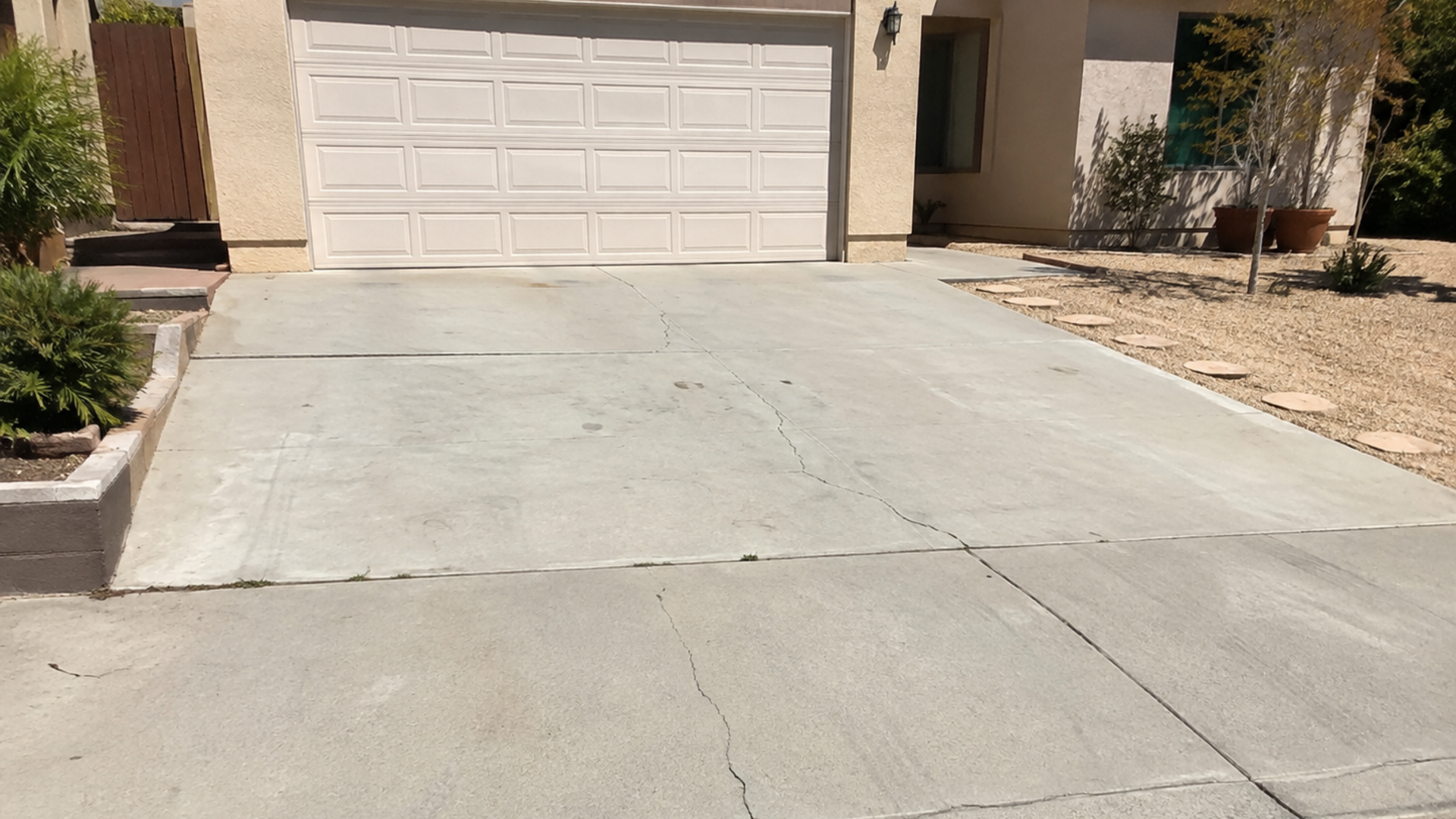
- Cracks are spreading
- Sections are uneven or sinking
- Water is pooling on the surface
- The design no longer fits the property
In some cases, repairs may be possible. In others, replacement provides a better long-term solution.
Planning a Concrete Walkway Project
Before starting a walkway project, homeowners should consider:
- Where the walkway will be used
- Desired finish and design
- Budget range
- Drainage requirements
- How it connects with other surfaces
Planning ahead helps avoid design issues and ensures the walkway fits the overall layout of the property.
Final Thoughts
Concrete walkways improve both function and appearance on residential properties. They provide safe, stable paths while helping organize outdoor spaces.
When properly installed, they require minimal maintenance and can last for decades.
If you are planning a walkway installation or replacing an existing path, Stoneworks Construction Services installs residential concrete walkways throughout Southern California, helping homeowners create durable and well-designed outdoor surfaces that connect seamlessly with the rest of the property.