Concrete Driveway Replacement in Thousand Oaks: Cost, Signs, and What Homeowners Should Know
A worn or failing driveway can affect more than curb appeal. Cracks, uneven sections, drainage problems, and surface wear can make daily use frustrating and may point to deeper issues beneath the concrete.
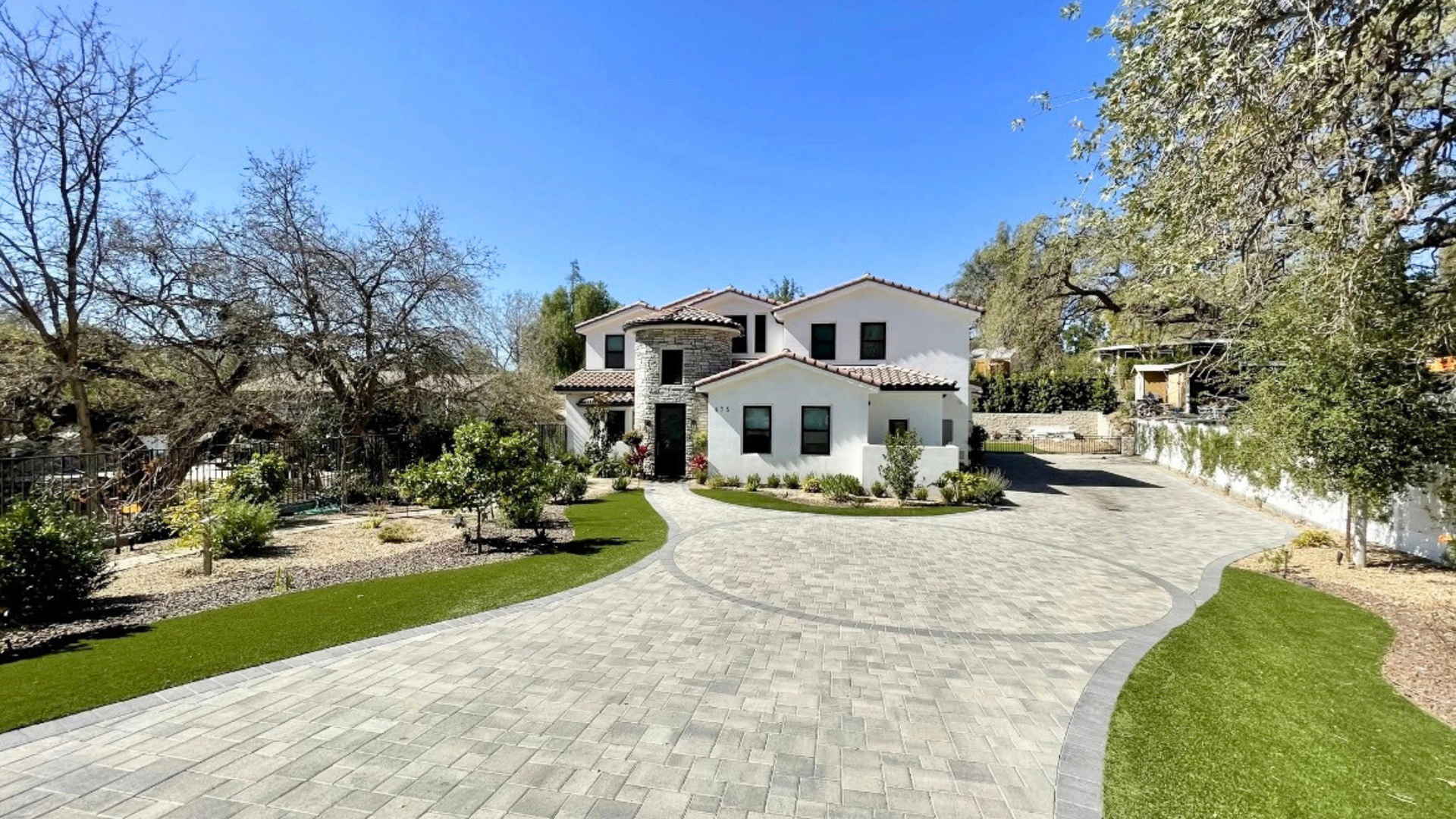
For homeowners in Thousand Oaks, concrete driveway replacement is often the better long-term solution when the existing surface has widespread damage. Repairs can help with small isolated cracks, but once the slab starts shifting, sinking, or breaking apart in multiple areas, replacement usually provides a cleaner and more reliable result.
This guide explains when to replace a concrete driveway, what affects cost, what the installation process looks like, and how homeowners can choose the right finish for their property.
If you are still comparing different exterior concrete improvements, our guide to Residential Concrete Services in Southern California explains how driveways fit into a complete property upgrade plan.
When Should You Replace a Concrete Driveway?
Not every crack means your driveway needs replacement. Small surface cracks can sometimes be repaired, especially if the slab is still level and structurally sound.
Replacement becomes more practical when the damage affects the performance of the driveway.
Common signs include:
- Large cracks spreading across the surface
- Sections that have settled or lifted
- Drainage problems near the garage or entryway
- Broken corners or crumbling edges
- Surface scaling, flaking, or heavy wear
- Multiple patch repairs that no longer blend well
A driveway that has failed in several areas usually has more than a surface problem. The base may have shifted, water may be collecting beneath the slab, or the concrete may not have been installed with the right thickness or reinforcement.
Replacing the driveway allows the contractor to correct these issues instead of covering them up.
Concrete Driveway Replacement vs. Repair
Homeowners often ask whether they should repair or replace their driveway. The answer depends on the extent of the damage.
Driveway Repair May Work When:
- Cracks are narrow and isolated
- The slab is still level
- Drainage is working properly
- Damage is mostly cosmetic
- The driveway is still relatively new
Driveway Replacement Is Usually Better When:
- Cracks run across large sections
- Concrete is sinking or uneven
- Water pools on the surface
- The driveway has multiple failed patches
- The slab is more than 25 years old
- The base beneath the concrete has shifted
Repairs cost less upfront, but they do not solve deeper structural problems. If the base has failed, new cracks can appear even after patching.
Replacement costs more initially, but it gives the contractor the opportunity to rebuild the driveway from the base up.
How Much Does Concrete Driveway Replacement Cost in Thousand Oaks?
Concrete driveway replacement cost depends on size, demolition, thickness, reinforcement, finish type, drainage needs, and site access.
In Thousand Oaks and nearby Ventura County communities, many driveway projects involve established homes, sloped lots, or existing concrete removal. These factors can affect final pricing.
Average Concrete Driveway Replacement Cost
| Driveway Type | Estimated Cost |
|---|---|
| Standard broom finish driveway | $10 to $16 per sq ft |
| Colored concrete driveway | $14 to $22 per sq ft |
| Stamped concrete driveway | $18 to $30 per sq ft |
| Decorative borders or scoring | Add $3 to $8 per sq ft |
| Full driveway replacement with demolition | Project-based |
A small driveway replacement may cost less than a larger multi-car driveway with decorative finishes. Driveways with difficult access, drainage work, or heavy demolition will usually cost more.
For homeowners comparing basic installation costs, our guide to
Concrete Driveway Cost in Southern California breaks down pricing by finish type, replacement needs, and installation variables.
What Affects Driveway Replacement Cost?
Several factors influence the total price of a driveway replacement project.
Driveway Size
Size is one of the biggest cost factors. Larger driveways require more concrete, more labor, more base preparation, and more finishing time.
A wide two-car driveway costs more than a single-car driveway, especially if the layout includes curves, extra parking space, or a longer approach.
Existing Concrete Removal
Replacement projects usually begin with demolition.
The contractor must remove the old slab, haul away debris, and prepare the area for new concrete. Thick or heavily reinforced concrete can take more time to remove.
Base Preparation
A strong driveway depends on the base beneath it.
If the old driveway failed because of poor base preparation, the new installation should include proper excavation, grading, and compaction. This step helps prevent future settlement.
Concrete Thickness
Most residential concrete driveways are poured at 4 to 6 inches thick.
Heavier vehicles, sloped areas, or weak soil conditions may require a thicker slab or additional reinforcement.
Reinforcement
Rebar or wire mesh can help improve strength and reduce cracking. The right reinforcement depends on the driveway layout, soil conditions, and expected vehicle loads.
Drainage
Water should move away from the garage, home, and driveway surface.
If water pools on the driveway or drains toward the home, the replacement project may need grading adjustments or drainage improvements.
Finish Type
A standard broom finish is usually the most cost-effective. Decorative finishes such as stamped concrete, colored concrete, exposed aggregate, or borders increase cost but can improve appearance.
If you are considering a more detailed finish, our guide to
Stamped Concrete in Southern California explains pattern options, color choices, and maintenance expectations.
Best Concrete Driveway Finish Options for Thousand Oaks Homes
A driveway should match the home’s architecture, landscape design, and daily use needs. Concrete gives homeowners several finish options.
Standard Broom Finish
A broom finish is simple, practical, and common for residential driveways.
It provides light texture for traction and works well for homeowners who want a clean surface without decorative detailing.
Colored Concrete
Colored concrete can soften the appearance of a driveway and help it blend with stucco, stone, brick, or landscape materials.
Earth tones and soft gray shades are common choices for Southern California homes.
Stamped Concrete
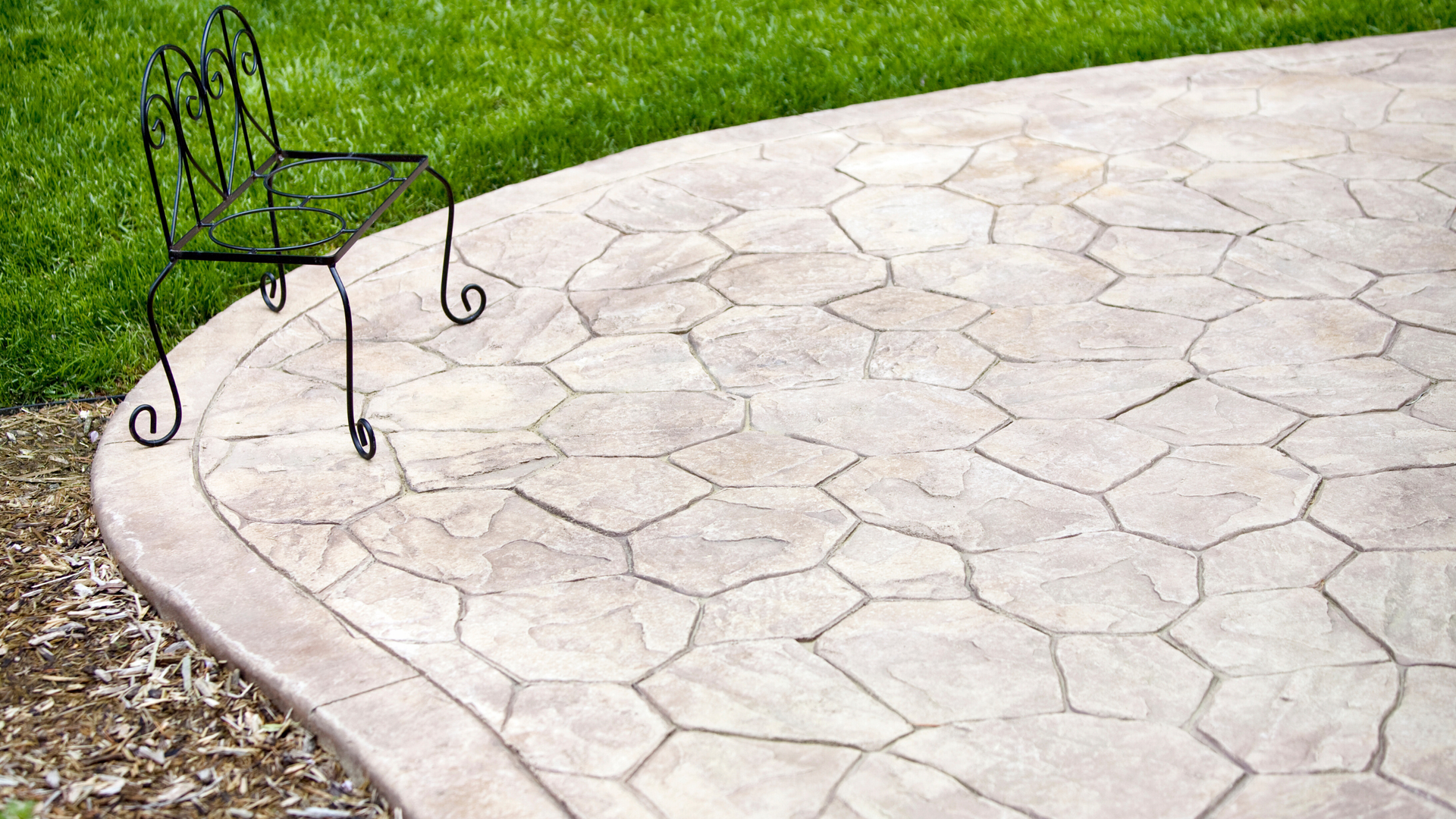
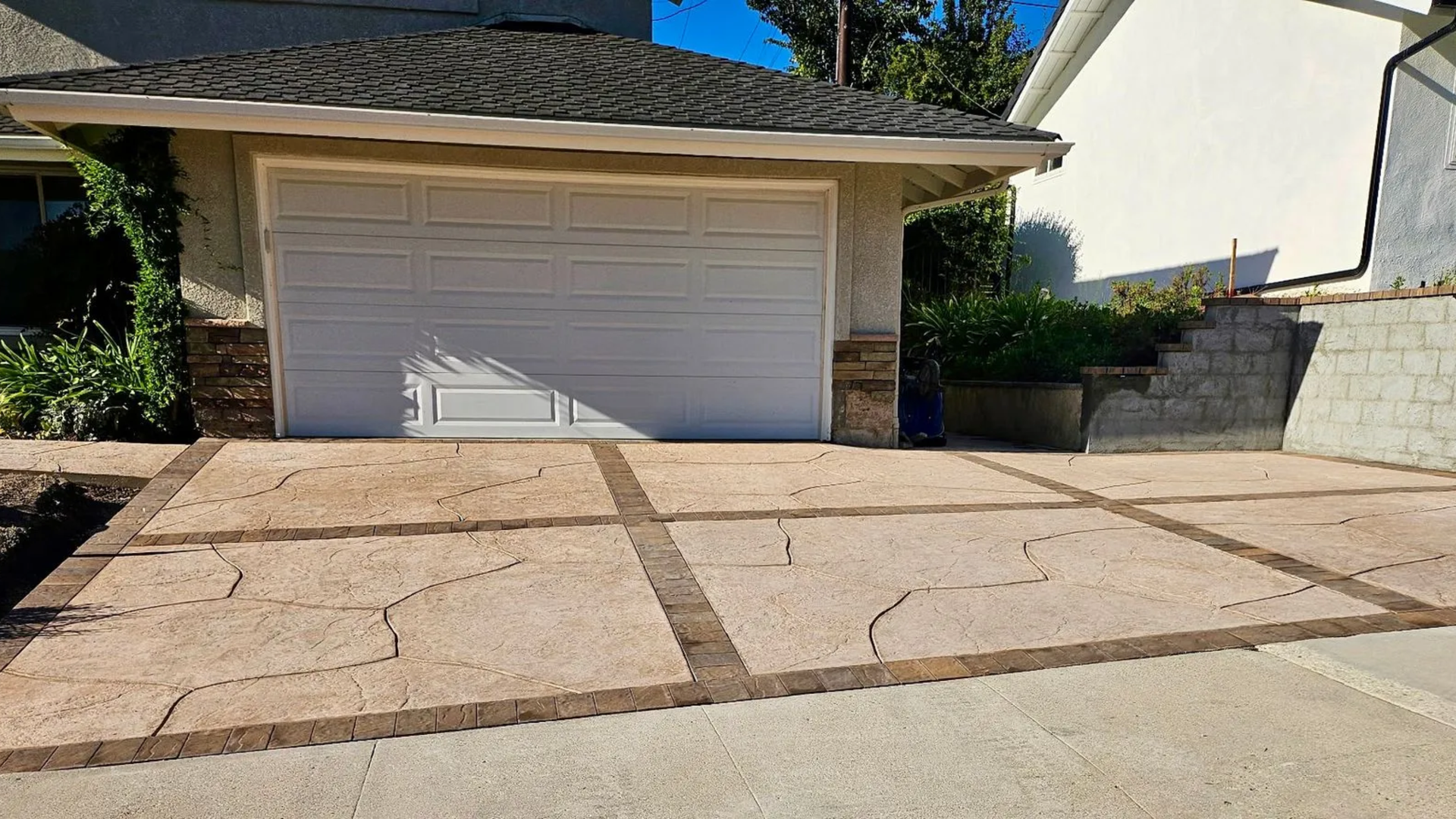
Stamped concrete can mimic stone, slate, brick, or tile.
It works well for homeowners who want a more designed look, especially when the driveway is a major visual feature at the front of the property.
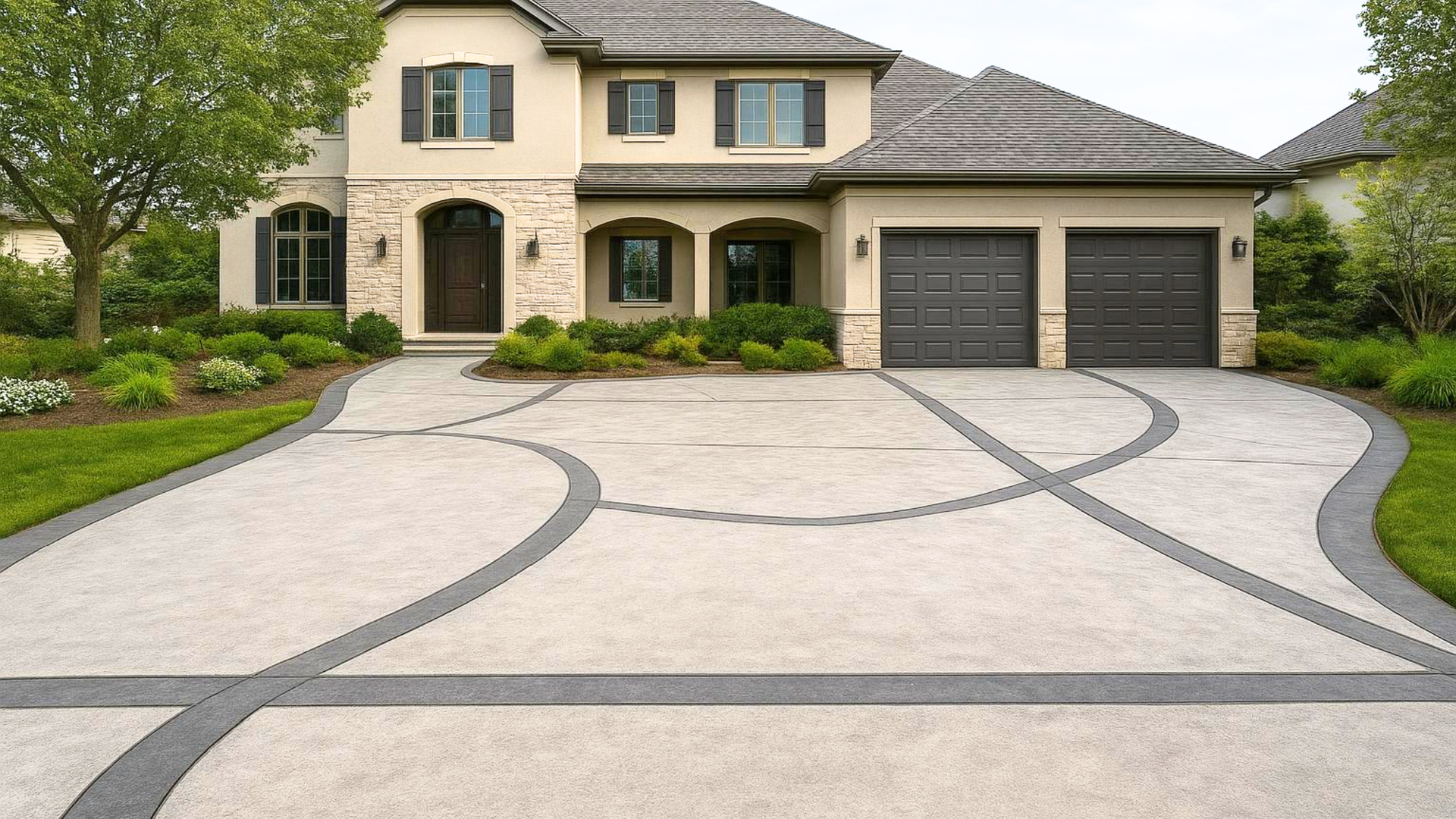
Decorative Borders
Borders add contrast without making the entire driveway decorative.
This is a good option for homeowners who want a polished look while keeping most of the surface simple.
Scored Concrete
Scoring creates clean lines or geometric patterns in the surface.
It can make a standard concrete driveway feel more custom without the higher cost of full stamping.
Concrete Driveway Thickness: What Homeowners Should Know
Driveway thickness matters because it affects strength and long-term performance.
Typical Driveway Thickness Guide
| Driveway Use | Typical Thickness |
|---|---|
| Standard passenger vehicles | 4 inches |
| Larger vehicles or heavier use | 5 inches |
| RVs, work trucks, or heavier loads | 5 to 6 inches |
| Driveway edges or transition areas | May need thickened edges |
Thickness alone does not guarantee performance. The base must be compacted properly, and the driveway must be finished and cured correctly.
A 4-inch driveway installed over a stable base may perform better than a thicker slab installed over poor subgrade conditions.
Why Drainage Matters During Driveway Replacement
Drainage is one of the most important parts of driveway replacement.
Water that sits on or under the driveway can weaken the base. Over time, this can lead to cracks, settlement, and uneven sections.
A properly planned driveway should direct water away from:
- The garage
- The home’s foundation
- Walkways
- Landscape beds
- Neighboring properties
In some cases, the driveway may need a slight slope, drainage channel, or grading correction.
This is especially important for sloped properties or homes where the driveway meets the garage at a low point.
What the Driveway Replacement Process Looks Like
A professional concrete driveway replacement follows a clear process.
1. Site Evaluation
The contractor reviews the existing driveway, checks drainage, measures the area, and looks for signs of base failure.
This step helps determine whether replacement is needed and what preparation work should be included.
2. Demolition and Removal
The old concrete is broken, removed, and hauled away.
If the existing driveway had major cracking or sinking, the contractor may inspect the base beneath the slab before moving forward.
3. Grading and Base Preparation
The area is graded and compacted. A stable base layer may be installed to support the new concrete.
This is one of the most important steps in the project.
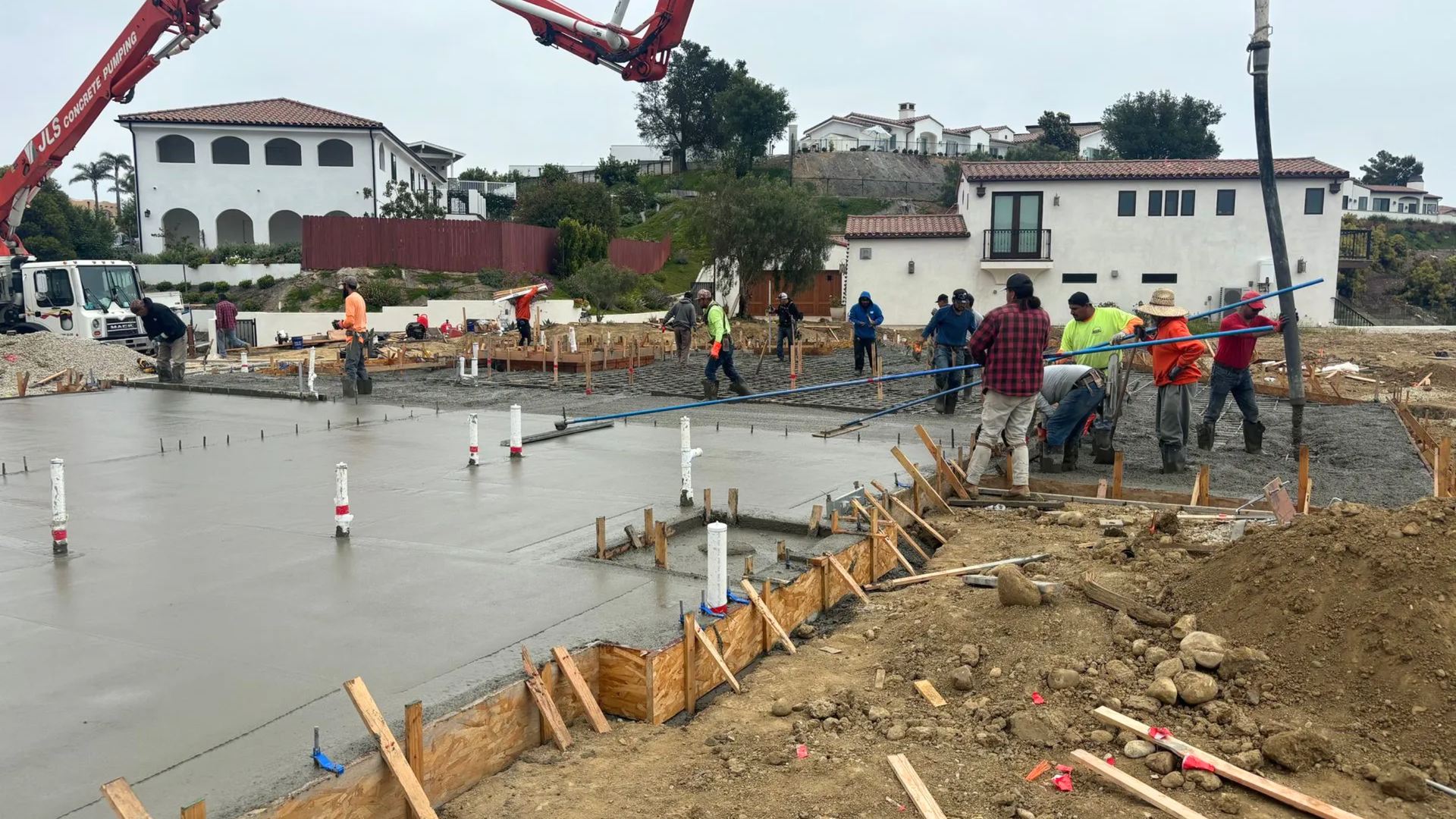
4. Forming and Reinforcement
Forms are set to define the driveway shape.
Rebar or wire mesh may be installed depending on the project requirements.
5. Concrete Pour and Finish
Concrete is poured, leveled, and finished.
The finish may be broomed, stamped, colored, scored, or textured depending on the design.
6. Curing
Concrete needs time to cure before it is ready for regular vehicle use.
Homeowners should follow the contractor’s timeline before parking on the new driveway.
How Long Does a New Concrete Driveway Last?
A properly installed concrete driveway can last 30 years or more.
Driveway Lifespan by Type
| Driveway Type | Expected Lifespan |
|---|---|
| Standard concrete driveway | 30 to 40 years |
| Reinforced concrete driveway | 40+ years |
| Stamped or decorative concrete driveway | 25 to 35 years |
Decorative driveways may need more maintenance because sealers and color protection are part of the long-term care.
The biggest factors that affect lifespan include:
- Base preparation
- Concrete thickness
- Reinforcement
- Drainage
- Curing
- Maintenance
Most premature driveway failures start beneath the surface.
Concrete Driveway vs. Asphalt Driveway
Some homeowners compare concrete and asphalt before replacing a driveway.
Concrete Driveway
Concrete costs more upfront, but it usually lasts longer. It also offers more finish options, including stamped, colored, and decorative designs.
Concrete works well for homeowners who want a clean appearance and lower long-term maintenance.
Asphalt Driveway
Asphalt usually costs less upfront, but it often requires more maintenance over time. It may need sealing, patching, or resurfacing more frequently.
It also has fewer design options than concrete.
Quick Comparison
| Feature | Concrete | Asphalt |
|---|---|---|
| Upfront cost | Higher | Lower |
| Lifespan | Longer | Shorter |
| Maintenance | Lower | Higher |
| Decorative options | More | Limited |
| Heat performance | Strong | Can soften in high heat |
For many homeowners in Thousand Oaks, concrete provides the better balance of appearance, performance, and long-term value.
Common Mistakes Homeowners Should Avoid
A driveway replacement is a major exterior project. Avoiding common mistakes can help protect your investment.
Choosing Only Based on Price
The lowest estimate may not include proper base preparation, reinforcement, demolition, or drainage corrections.
A cheaper driveway can become more expensive if it fails early.
Ignoring Drainage
Water problems should be corrected during replacement, not after the driveway is poured.
Drainage issues can lead to settlement and cracking.
Skipping Decorative Planning
If the driveway is highly visible from the street, finish selection matters.
A simple border, color, or scoring pattern can improve the final look without overcomplicating the project.
Not Asking About Thickness
Homeowners should understand how thick the driveway will be and whether reinforcement is included.
This is especially important if heavier vehicles will use the driveway.
Questions to Ask Before Hiring a Concrete Driveway Contractor
Before choosing a contractor, ask clear questions about the scope of work.
Helpful questions include:
- Will the old driveway be fully removed?
- What thickness do you recommend?
- Will reinforcement be included?
- How will drainage be handled?
- What finish options are available?
- How long before we can park on the new driveway?
- Is cleanup included?
The answers will help you compare estimates more accurately.
A detailed quote should explain what is included, not just list a total price.
Is Concrete Driveway Replacement Worth It?
For many homeowners, yes.
A new driveway can improve daily use, curb appeal, drainage, and long-term property value. It can also eliminate the frustration of cracked, uneven, or heavily patched concrete.
Replacement makes the most sense when the driveway has widespread damage or when the existing surface no longer supports the needs of the property.
A well-installed driveway should feel stable, drain properly, and complement the home’s exterior.
Final Thoughts
Concrete driveway replacement in Thousand Oaks is not just about removing old concrete and pouring a new slab. The best results come from proper planning, base preparation, drainage design, reinforcement, and finish selection.
Homeowners should look beyond the surface and ask how the driveway will perform over time.
If your existing driveway is cracked, uneven, or no longer fits the appearance of your home, replacement may be the right next step.
Stoneworks Construction Services provides concrete driveway replacement in Thousand Oaks, Ventura County, and Santa Barbara County. Contact our team to schedule a site visit and discuss the best approach for your driveway project.